



There’s a sense of calm that emanates from Cherie Mercer as she talks about her reasons for joining the VPSA-funded Engaging Physicians in Indigenous Cultural (EPIC) Safety Task Group a couple of years ago. The committee’s purpose is to engage medical staff in the co-creation of education resources and learning opportunities around Indigenous cultural safety principles and how these can be effectively implemented. Cherie and Cooper Jackson fill the roles of Indigenous Patient Partners on the committee, where they are joined by Elder Glida Morgan. Other committee members are Dr. Terri Aldred, Dr. Susan Burgess, Dr. Derek Chang, Dr. Stefan Finke, Candace Gubbels, Dr. Junella Lee, Kathleen Harris, Dr. Kendall Ho, Dr. Jay Slater, Alex Fung (iCON support) and Pooja Ramachandran (iCON support).
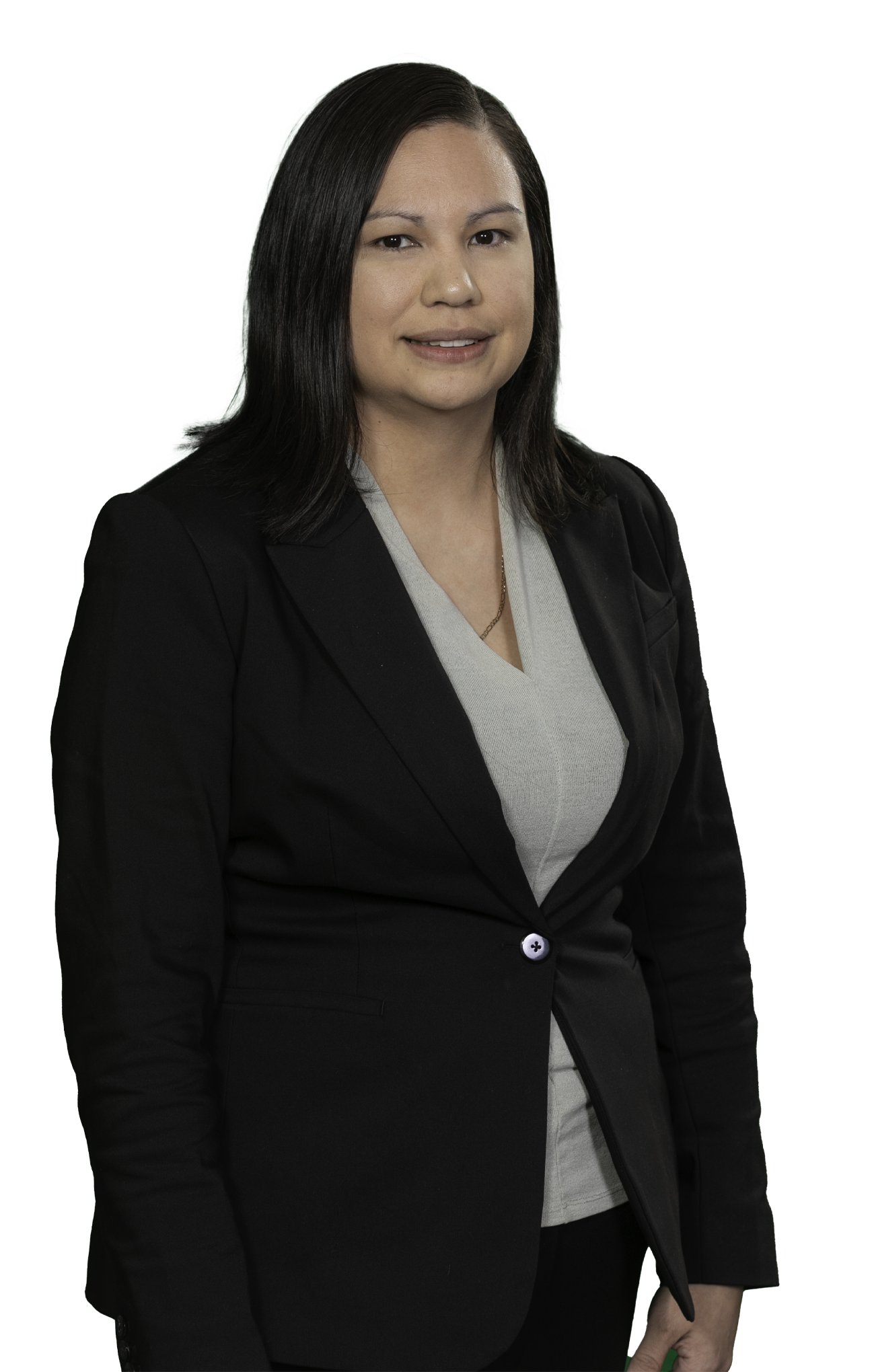 On the eve of Canada’s National Day for Truth and Reconciliation and Orange Shirt Day, VPSA spoke with Cherie, who lives in New Aiyansh, which is part of the Nisg̱a’a Nation. Following is an edited version of that conversation.
VPSA: What is your role on the EPIC team?
Cherie Mercer (CM): I am an Indigenous Patient. That’s a term that’s not widely known; we bring forward the Indigenous voice to improve the cultural safety in health care by making improvements and being able to share our Indigenous voice.
VPSA: Why did you want to get involved?
CM: I’ve been involved as an Indigenous Patient since 2010 and EPIC was more along the lines of having the actual consistency of a committee, making an impact directly to health-care providers. I wanted to be involved because with EPIC you get directly to the people providing care.
I initially voiced frustrations about how health care was delivered locally but knew that simply would not result in change. That’s when I joined the Patient Voices Network in 2010 and discovered ways to turn my concerns into action.
VPSA: What difference do you feel you’re making?
CM: I feel I’m making a difference in improving upon the health-care provisions within this province. We’re able to speak to and listen to physicians who provide feedback from Indigenous Health Rounds and events of EPIC and this moves us towards cultural safety within the areas of health care that they serve.
I think it’s important to state how critical listening is and what Indigenous voices actually mean when we say we would like to be listened to. Something as simple as listening would guide a better health-care system. It grounds us and takes us from lived experiences and brings these to a place that is healing and safe for everyone who is a part of the health-care system.
Ultimately consistency and listening built trust and trust is what will improve cultural safety.
VPSA: Do you think EPIC is changing attitudes and helping advance Indigenous cultural safety in health-care settings?
CM: Yes, I feel the activities we are involved with on a yearly basis from meeting, planning, preparation to the events themselves are consistent. Events are very well attended and that speaks volumes. The statistics show many are attending more than one event and staying for the duration. We’re listening to the attendees about what would be the next steps for future EPIC events. That’s what I think is making an impact.
VPSA: What does cultural safety in health care look like from your perspective as a patient?
CM: Health care is based upon respect. As a patient in front of a health-care provider, I am there for medical assistance. I’m there for culturally safe care. I expect that to be a mutually respective situation.
VPSA: From your perspective, why is Indigenous cultural safety in health care important?
CM: The health-care system was not built around our Indigenous needs. It was there for shortfalls and not to rise for the needs of Indigenous people. Now we’re in 2025 where we are trying to meet so many needs of all patients. I think back to health-care provisions when they were next to nothing in this province for Indigenous people. Now we have land acknowledgements; we have components of cultural safety that are at the forefront of health care. This action is building upon better health-care provisions and health-care outcomes.
VPSA: What do you wish more health-care professionals understood about Indigenous peoples’ experiences with the health system?
CM: There is quite a bit of understanding. I feel this because each medical professional has guiding principles no matter if they’re a physician, pharmacist, nurse practitioner, you name it, they have guiding principles. And Indigenous people only want those upheld to safe care. It doesn’t misalign with the guiding principles of these professions; it actually amplifies them. I do believe that we are very close to what we would like to see for Indigenous patients involved in the health-care system.
VPSA: What message would you want health-care providers to carry with them on September 30th and beyond?
CM: Focus on what you’re able to do. If you are able to carry out the guiding principles of your profession, if you’re able to simply listen and respect patients—all patients including Indigenous patients—that will help us towards a transformational heath-care system where it would meet all our needs.